Acquiring a new or pre-owned car is a significant expenditure, and hence frequent problems with the vehicle can be both stressful and costly for the buyer. Many times, a consumer opts for a legal remedy in case of failure by the manufacturer to correct a defect in a timely fashion. It is in such cases that the need for a lemon car inspection arises.
What Is a Lemon Law Case?
Lemon laws are enacted to ensure that purchasers of defective automobiles are compensated in case their vehicles fail due to defects. In most cases, lemon laws kick in if the carmaker is unable to make repeated repairs on the same defect.
Some common examples of defects are:
- Engine or transmission malfunction
- Faulty brakes or steering
- Faulty electrical systems
- Persistent warning lights
- Water leaks or structural defects
Although repair receipts and dealer assessments play a crucial role, independent evaluations can be of immense help in determining the real condition of the vehicle.
Why Independent Inspections Matter
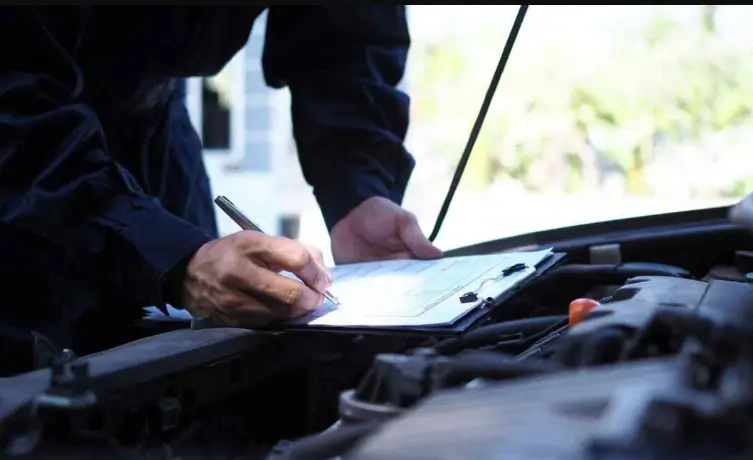
A vehicle check performed by a competent automotive expert will reveal any continuing problems that are downplayed by the manufacturer or the dealer. The check usually covers:
- Performance aspects
- Safety equipment
- Electrical elements
- Indicators of continuous repairs
- The quality of repairs done by the manufacturer
Sometimes a report will show if there is a problem that is still persistent despite all efforts made to fix it. This could be very significant in case the case goes to negotiations or legal action.
Documentation Strengthens Credibility
Perhaps one of the most difficult parts of a lemon law dispute is being able to prove that the defect is serious and cannot be fixed. Often consumers base their case solely on what dealers say verbally.
The report will assist in providing documented evidence of:
- Existent mechanical problems
- Possible safety hazards
- Inadequate craftsmanship
- Failed repairs
- Vehicle unreliability
A good report provides evidence showing that the problem isn’t trivial. Legal experts place a lot of significance on technical analyses since they provide an objective assessment rather than subjective conclusions.
See also: The Role of Technology in Modern Business Innovation
Inspections Can Reveal Hidden Patterns
Vehicle defects can be intermittent, making them hard to prove in conventional dealership check-ups. An experienced examiner can determine wider trends related to repeated malfunctions, production defects, or engineering problems that have not been fixed.
For instance, an examination can show that:
- There were multiple repair works done without resolving the problem
- The repair was incomplete
- Temporary fixes covered up serious mechanical issues
- The defect had extended to other systems in the car
Such information can be used to show that there is an inherent defect in the car and not just isolated incidents of repair work.
Timing Is Important
The consumer usually waits too long to get an independent inspection. Nevertheless, getting one at the earlier stage of the controversy could help save vital information, as subsequent fixes could modify the state of the vehicle.
It is crucial to keep accurate documentation as well. The list of such documents includes:
- Repair receipts
- Warranty agreements
- Service reports
- Communications with dealerships via email
- Pictures/videos of defects
Such documentation along with an independent inspector’s report will give you much stronger evidence.
The Importance of Legal Guidance
The legal process followed in a lemon law case will depend on several factors, including location and the specifics of the manufacturer’s policy. Lawyers dealing with vehicle defects are well versed in how an inspection report ought to be prepared and understood.
Law firms like Margarian Law deal with defective car cases as well as other cases involving manufacturers’ non-compliance. Such lawyers analyse repair history, inspection results, and warranties offered before determining whether there is a case for lemon laws to apply.
Conclusion
A professional lemon car inspection could strengthen a case under lemon laws by providing objective information about ongoing problems with the vehicle and unsuccessful repairs. If such inspection results are accompanied by proper paperwork and consultation from a lawyer, they could greatly increase the consumer’s chances of proving that the vehicle is a lemon.