Manufacturing is undergoing a significant transformation as companies adopt smarter systems to stay competitive in an increasingly complex global market. Traditional production methods are being replaced by advanced technologies that enhance efficiency, accuracy, and scalability. At the center of this evolution is machine automation, which enables manufacturers to streamline operations and unlock new levels of productivity.
Increased Operational Efficiency
One of the most immediate benefits of upgrading to smarter manufacturing systems is improved efficiency. Automated processes reduce the need for manual intervention, allowing production lines to operate continuously with minimal disruption. Machine automation ensures that repetitive tasks are executed quickly and consistently, eliminating delays caused by human fatigue or error.
By optimizing workflows and reducing bottlenecks, manufacturers can significantly increase output without compromising quality. This efficiency not only boosts profitability but also helps businesses meet growing customer demands more effectively.
Improved Product Quality and Consistency
Maintaining consistent product quality is a major challenge in traditional manufacturing environments. Variations in human performance can lead to defects and inconsistencies. Smarter systems address this issue by using machine automation to standardize processes and ensure precise execution.
Automated machinery can perform tasks with a high degree of accuracy, reducing the likelihood of errors. In addition, integrated quality control systems can monitor production in real time, identifying defects and making adjustments instantly. This results in higher-quality products and fewer returns or rework requirements.
Cost Reduction Over Time
While the initial investment in smart manufacturing systems can be substantial, the long-term cost savings are significant. Machine automation reduces labor costs by minimizing the need for manual work, especially in repetitive or hazardous tasks.
Moreover, automated systems optimize the use of raw materials and energy, reducing waste and lowering operational expenses. Maintenance costs are also reduced through predictive maintenance features, which identify issues before they lead to expensive breakdowns. Over time, these savings contribute to a strong return on investment.
Enhanced Workplace Safety
Safety is a critical concern in manufacturing environments, where workers are often exposed to heavy machinery and hazardous conditions. Upgrading to smarter systems improves safety by reducing direct human interaction with dangerous equipment. Machine automation can handle high-risk tasks such as heavy lifting, precision cutting, and exposure to extreme temperatures.
In addition, automated systems are equipped with safety features like sensors and emergency shutoffs, which help prevent accidents. By creating a safer work environment, businesses can reduce injury-related costs and improve employee well-being.
Greater Flexibility and Customization
Modern manufacturing requires the ability to adapt quickly to changing market demands. Smarter systems provide the flexibility needed to produce a wide range of products with minimal downtime. Machine automation allows manufacturers to reprogram equipment بسهولة to accommodate different designs or production volumes.
This flexibility is especially valuable for businesses that offer customized products or operate in industries with rapidly changing trends. By leveraging machine automation, companies can respond quickly to customer needs while maintaining efficiency.
See also: The Role of Technology in Modern Business Innovation
Real-Time Data and Insights
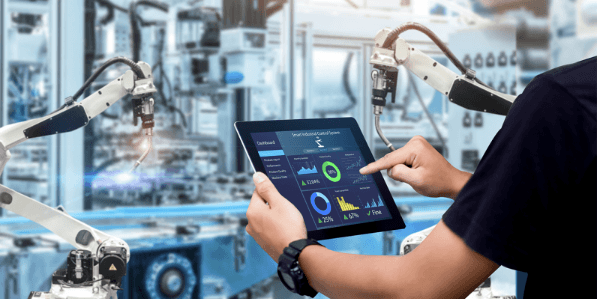
Data plays a crucial role in modern manufacturing. Smarter systems are equipped with sensors and analytics tools that provide real-time insights into production performance. Machine automation enables the collection and analysis of data from every stage of the manufacturing process.
These insights help identify inefficiencies, monitor equipment performance, and support informed decision-making. Managers can use this data to optimize operations, improve resource allocation, and plan for future growth. The result is a more proactive and strategic approach to manufacturing.
Reduced Downtime and Predictive Maintenance
Unexpected downtime can disrupt production schedules and lead to significant financial losses. Smarter manufacturing systems address this challenge through predictive maintenance capabilities. By continuously monitoring equipment, machine automation can detect signs of wear or malfunction before they cause a breakdown.
This allows businesses to perform maintenance at the right time, avoiding costly interruptions. Reduced downtime leads to more reliable operations and improved overall productivity. In this way, machine automation contributes to a more stable and efficient manufacturing environment.
Sustainability and Energy Efficiency
Sustainability is becoming a top priority for manufacturers worldwide. Smarter systems help reduce environmental impact by optimizing energy use and minimizing waste. Machine automation ensures that resources are used efficiently, lowering energy consumption and reducing emissions.
Automated systems can also support the integration of renewable energy sources and environmentally friendly practices. By adopting sustainable manufacturing methods, businesses not only reduce costs but also enhance their reputation and meet regulatory requirements.
Conclusion
Upgrading to smarter manufacturing systems offers a wide range of benefits, from increased efficiency and cost savings to improved safety and sustainability. As industries continue to evolve, the adoption of advanced technologies is no longer optional—it is essential for long-term success.
By embracing machine automation, manufacturers can streamline operations, enhance product quality, and remain competitive in a rapidly changing market. The transition to smarter systems represents a strategic investment that delivers lasting value and positions businesses for future growth.