Introduction
Modern electrical networks are becoming increasingly complex due to rising energy demand, urban expansion, industrial automation, and the integration of renewable energy sources. To manage this complexity, utilities and industries require systems that are not only reliable but also intelligent, compact, and highly efficient. This is where integrated switch gear solutions play a crucial role.
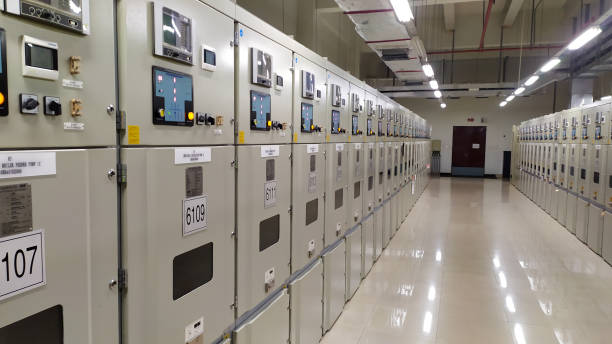
Integrated switchgear systems combine multiple electrical functions—such as switching, protection, control, and monitoring—into a unified setup. This improves operational efficiency, enhances safety, and reduces maintenance requirements. As power systems evolve toward smart grids and digital substations, integrated switchgear solutions are becoming the backbone of modern electrical infrastructure.
Understanding Integrated Switch Gear Solutions
What Is Switchgear?
Switchgear refers to a combination of electrical devices used to control, protect, and isolate electrical equipment in power systems. It includes components such as:
- Circuit breakers
- Disconnect switches
- Fuses
- Protective relays
- Control panels
These devices ensure safe and controlled flow of electricity across networks.
What Makes It “Integrated”?
An integrated switchgear solution combines multiple functions into a single coordinated system. Instead of separate devices operating independently, integration allows:
- Centralized control of electrical distribution
- Unified protection and monitoring
- Streamlined communication between components
- Improved system coordination
This makes electrical networks more efficient and easier to manage.
Key Features of Integrated Switchgear Systems
Centralized Monitoring and Control
One of the most important features is centralized operation. Integrated systems allow operators to:
- Monitor electrical parameters in real time
- Control multiple circuits from a single interface
- Detect faults instantly across the network
This improves operational efficiency and reduces response time during faults.
Advanced Protection Mechanisms
Integrated switchgear systems are designed with multi-layer protection, including:
- Overcurrent protection
- Short circuit detection
- Earth fault protection
- Surge protection
These mechanisms help safeguard both equipment and personnel.
Smart Communication Systems
Modern switchgear solutions often include digital communication capabilities such as:
- Remote monitoring systems
- IoT-enabled sensors
- SCADA system integration
This allows real-time data exchange between different parts of the electrical network.
Applications in Modern Electrical Networks
Urban Power Distribution Systems
In cities, electrical networks must be compact, efficient, and reliable. Integrated switchgear is used in:
- Substations
- Underground power networks
- High-rise building power systems
It ensures stable electricity supply in densely populated areas.
Industrial Power Systems
Industries rely heavily on continuous power for production. Integrated switchgear supports:
- Heavy machinery operations
- Automated production lines
- Motor control systems
It helps reduce downtime and improve productivity.
Renewable Energy Infrastructure
Integrated switchgear plays a key role in renewable energy systems such as:
- Solar power plants
- Wind energy farms
- Hybrid energy systems
It helps manage variable power generation and maintain grid stability.
Benefits of Integrated Switchgear Solutions
Improved System Efficiency
By combining multiple functions into one system, integrated switchgear reduces energy losses and improves operational efficiency. This results in:
- Better load management
- Reduced transmission losses
- Optimized power distribution
Enhanced Safety and Reliability
Safety is a critical advantage of integrated systems. They provide:
- Faster fault isolation
- Reduced risk of electrical hazards
- Improved protection coordination
This ensures safe operation in all environments.
Space Optimization
Integrated switchgear systems are compact, making them ideal for:
- Urban substations
- Industrial plants with limited space
- Indoor electrical rooms
They reduce the need for multiple separate installations.
Lower Maintenance Requirements
Since multiple functions are combined into a single system:
- Maintenance becomes simpler
- Inspection time is reduced
- Operational costs are lowered
Design and Engineering Aspects
Modular Architecture
Modern integrated switchgear systems are built using modular designs, allowing:
- Easy expansion of electrical networks
- Flexible configuration based on load requirements
- Simplified upgrades and replacements
Digital Integration
Digital technology plays a major role in modern switchgear design. Systems include:
- Microprocessor-based protection relays
- Digital monitoring interfaces
- Data analytics tools for energy usage
Robust Construction
To ensure long-term durability, switchgear systems are built with:
- High-strength metal enclosures
- Heat-resistant insulation materials
- Corrosion-resistant coatings
See also: The Role of Technology in Public Transportation
Installation and Commissioning
Proper Site Planning
Before installation, careful planning is required to ensure:
- Adequate space for equipment
- Proper ventilation and cooling
- Safe access for maintenance
Professional Installation
Integrated switchgear systems must be installed by trained professionals to ensure:
- Correct wiring and configuration
- Safe grounding and earthing
- Compliance with electrical standards
System Testing
After installation, thorough testing is conducted, including:
- Load testing
- Protection system verification
- Communication system checks
Maintenance and Operational Best Practices
Regular Inspection
Routine inspections help ensure long-term reliability:
- Check for loose connections
- Inspect insulation condition
- Monitor temperature levels
Preventive Maintenance
Preventive maintenance includes:
- Cleaning internal components
- Testing circuit breakers
- Updating software systems
This reduces unexpected failures.
Performance Monitoring
Continuous monitoring allows operators to:
- Track energy consumption
- Detect early fault signals
- Optimize load distribution
Challenges in Implementation
High Initial Investment
Integrated switchgear systems often require higher upfront costs due to:
- Advanced technology integration
- Digital communication systems
- Complex engineering design
Technical Complexity
These systems require skilled professionals for:
- Installation
- Configuration
- Maintenance and troubleshooting
Cybersecurity Risks
Since many systems are digitally connected, cybersecurity becomes important to protect:
- Operational data
- Remote control systems
- Network integrity
Future of Integrated Switchgear Solutions
Smart Grid Integration
Future systems will be deeply integrated into smart grids, enabling:
- Real-time energy management
- Automated fault detection
- Dynamic load balancing
Artificial Intelligence and Automation
AI will enhance switchgear systems by:
- Predicting equipment failures
- Optimizing energy distribution
- Automating maintenance scheduling
Expansion of IoT Connectivity
IoT will allow switchgear systems to connect with:
- Smart buildings
- Industrial automation systems
- City-wide energy networks
This will improve overall system intelligence.
Conclusion
Integrated switchgear solutions are transforming modern electrical networks by combining protection, control, monitoring, and automation into a unified system. Their ability to enhance efficiency, improve safety, and reduce operational complexity makes them essential for today’s evolving power infrastructure.
From urban substations to industrial plants and renewable energy systems, these solutions provide the reliability and intelligence required for modern electricity distribution. As digital technologies continue to advance, integrated switchgear systems will play a central role in building smarter, safer, and more efficient electrical networks for the future.