Cities around the world are changing rapidly as urban populations increase and transportation systems become more complex. With this growth comes a greater need for safer, faster, and more intelligent traffic control solutions that can handle high pedestrian activity without creating congestion or delays. Traditional infrastructure is no longer enough to meet the expectations of modern urban environments.
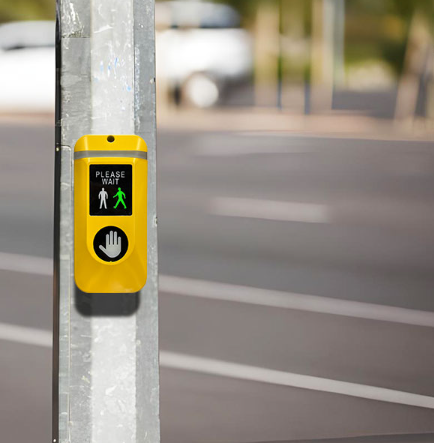
One of the most important innovations supporting this shift is the PedSense push button, a modern pedestrian activation system designed to improve the way people interact with traffic signals. Unlike conventional push buttons that require physical contact, this system uses smart detection technology to allow touch-free activation, improving both safety and efficiency at intersections.
The PedSense push button represents a new generation of traffic control solutions where automation, hygiene, and user accessibility come together to create a smoother and more reliable pedestrian experience.
The Limitations of Traditional Pedestrian Buttons
For decades, pedestrian crossings have relied on mechanical push buttons to trigger traffic signals. While this system has served its purpose, it now shows clear limitations in modern urban environments.
Physical buttons are prone to wear and tear due to constant usage and exposure to weather conditions. Over time, they become less responsive or even completely non-functional, requiring frequent maintenance. In addition, they also raise hygiene concerns because they are touched by thousands of people every day.
Another issue is accessibility. Traditional systems can be difficult for individuals with mobility challenges, elderly pedestrians, or users carrying bags or other items. These limitations highlight the need for a more advanced and user-friendly solution.
See also: The Role of Technology in Public Transportation
How PedSense Push Button Technology Works
The PedSense system is built on advanced sensor-based technology that detects the presence of pedestrians without requiring physical contact. When a person approaches the activation zone, the system registers their presence and sends a signal to the traffic controller.
This process happens instantly and ensures that pedestrian requests are captured accurately without delay or confusion. The system is designed to minimize accidental activation while still being highly responsive to intentional user interaction.
A key feature of the PedSense push button is its feedback system, which provides clear visual and audio signals to confirm that the request has been successfully registered. This improves user confidence and reduces uncertainty at busy intersections.
Enhancing Safety in Urban Environments
Safety is one of the most critical aspects of traffic management systems. PedSense technology contributes significantly to improving pedestrian safety by removing the need for physical contact with shared surfaces.
In high-traffic areas, reducing touchpoints helps minimize the spread of germs and improves overall public hygiene. This is especially important in locations such as hospitals, schools, transportation hubs, and commercial districts.
In addition, the system reduces confusion at crossings by offering clear feedback signals, ensuring pedestrians know when their request has been received and processed.
Improving Accessibility for All Users
Modern urban infrastructure must be inclusive and accessible to everyone. Traditional push buttons often present challenges for individuals with disabilities, elderly citizens, and people carrying items.
The PedSense push button solves this issue by enabling contactless activation. Users simply approach the device, and the system detects their presence automatically. This makes it easier for everyone to interact with pedestrian crossing systems without physical effort.
Combined with visual indicators and optional audio signals, the system ensures that all users can navigate crossings safely and efficiently.
Durability and Environmental Performance
Traffic systems must operate reliably under harsh environmental conditions, including rain, dust, temperature fluctuations, and constant public use. PedSense systems are designed with durable materials and protective housing to ensure long-term performance.
The internal components are engineered to withstand continuous operation while maintaining stable accuracy and responsiveness. This makes the system suitable for installation in busy urban intersections where reliability is essential.
A strong PedSense push button design reduces maintenance needs and ensures consistent performance over time, even in demanding environments.
Integration with Smart Traffic Systems
Modern cities are moving toward fully integrated smart traffic networks where different systems communicate with each other in real time. PedSense technology is designed to fit seamlessly into these intelligent transportation systems.
It can connect with traffic signal controllers and central monitoring systems to ensure smooth coordination between pedestrian requests and vehicle flow management. This helps optimize traffic movement and reduces unnecessary waiting times for both pedestrians and drivers.
The system also allows flexible configuration depending on intersection requirements, making it suitable for a wide range of urban applications.
Role in Smart City Development
Smart cities depend on technologies that improve efficiency, safety, and connectivity. Pedestrian control systems play a crucial role in this ecosystem by ensuring smooth interaction between humans and traffic infrastructure.
The PedSense system supports smart city development by reducing manual interaction points, improving automation, and enhancing traffic responsiveness. These improvements contribute to more efficient urban mobility systems.
As cities continue to modernize, contactless technologies like the PedSense push button are becoming essential components of future-ready infrastructure.
Future of Contactless Pedestrian Technology
The future of pedestrian crossing systems is expected to move toward fully intelligent and adaptive solutions. Emerging technologies may include AI-based detection, predictive traffic flow management, and advanced sensor fusion systems.
In the coming years, pedestrian activation systems may become even more seamless, automatically detecting movement patterns and adjusting traffic signals in real time.
The PedSense system represents an important step toward this future, bridging the gap between traditional traffic control methods and advanced smart infrastructure.
Conclusion
The PedSense push button is more than just a modern replacement for traditional pedestrian buttons. It represents a shift toward smarter, safer, and more efficient urban traffic systems.
By eliminating physical contact, improving accessibility, and enhancing system responsiveness, it addresses many of the challenges faced by conventional traffic infrastructure.
As cities continue to grow and evolve, contactless pedestrian technologies will play an increasingly important role in shaping safer and more intelligent transportation environments, making systems like PedSense a key part of future urban development.