Global industries are rapidly transforming as production systems become faster, smarter, and more automation-driven. In this evolving environment, packaging is no longer considered a final, secondary step in manufacturing. Instead, it has become a highly engineered process that directly impacts efficiency, logistics performance, and product safety.
From food and beverage to pharmaceuticals, cosmetics, and industrial goods, every sector now depends on advanced machinery to handle packaging operations with precision and consistency. This rising demand has placed the spotlight on the importance of a packaging machine manufacturer, who plays a central role in designing the systems that keep modern production lines running smoothly.
A packaging machine manufacturer is not just a builder of equipment. It is an engineering-driven organization responsible for developing automated solutions that improve speed, reduce labor dependency, and ensure uniform product handling across large-scale production environments.
The Evolution of Packaging in Industrial Systems
In earlier manufacturing models, packaging was primarily handled manually or with semi-automatic tools. Workers would fill, seal, label, and pack products using labor-intensive processes. While effective at small scale, these methods could not keep up with growing production demands.
As industries expanded, manual systems started showing limitations such as inconsistent quality, slower output, and higher operational costs. This created a need for automated packaging solutions that could deliver reliable performance at industrial scale.
The introduction of fully automated packaging machinery changed this landscape completely, allowing manufacturers to increase productivity while maintaining consistent quality standards.
See also: The Role of Technology in Public Transportation
Why a Packaging Machine Manufacturer Is Critical in Modern Production
The performance of any packaging system depends heavily on how it is designed and engineered. This is where the role of a packaging machine manufacturer becomes essential.
These manufacturers are responsible for creating machines that combine mechanical engineering, electrical systems, automation software, and safety controls into a single integrated solution. Each component must work in harmony to ensure smooth and continuous operation.
A well-designed packaging machine improves production efficiency, reduces errors, and ensures that products are handled safely throughout the packaging process.
Without strong manufacturing expertise, even advanced systems can fail to deliver consistent industrial performance.
Engineering Complexity Behind Packaging Systems
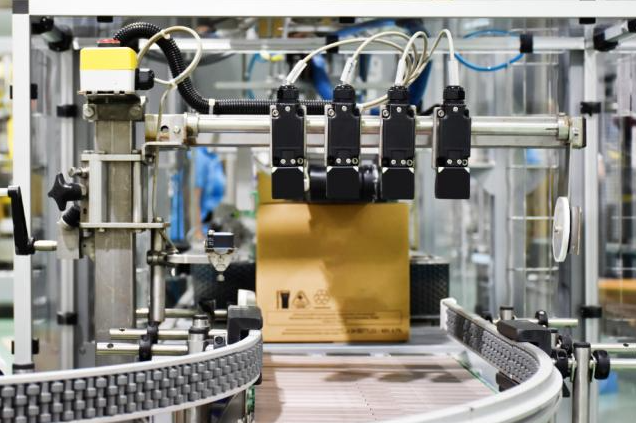
Modern packaging machines are highly complex systems that require precise engineering and technical coordination. They include conveyors, sensors, sealing units, filling mechanisms, control panels, and automation software.
A packaging machine manufacturer must ensure that all these components operate seamlessly together. This requires deep expertise in mechanical design, industrial automation, control systems, and material handling technology.
Even small design flaws can affect packaging speed, accuracy, or machine durability. That is why engineering precision is critical in this field.
Automation and the Shift Toward Smart Manufacturing
Manufacturing industries are increasingly adopting automation to improve efficiency and reduce operational costs. Packaging systems are now fully integrated into this automated ecosystem.
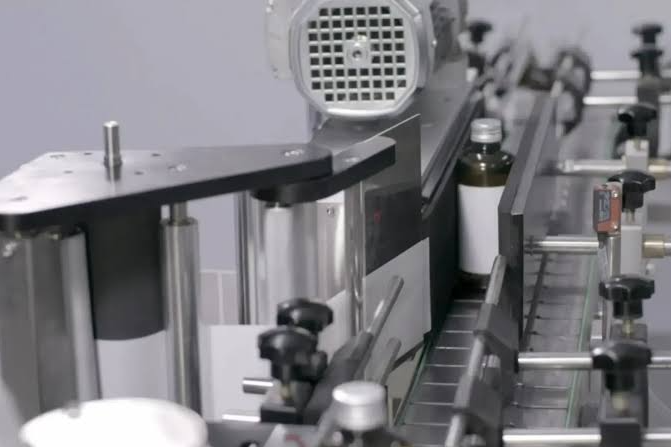
Modern machines can perform tasks such as filling, sealing, labeling, and case packing with minimal human involvement. These systems are often connected to centralized control platforms that manage entire production lines.
A forward-thinking packaging machine manufacturer designs equipment that supports Industry 4.0 standards, enabling real-time monitoring, data collection, and intelligent production control.
This level of automation enhances productivity while reducing human error and operational delays.
Efficiency and Productivity Improvements
One of the most important benefits of automated packaging systems is the improvement in production efficiency. Manual packaging processes are often slow, inconsistent, and labor-intensive.
Automated machines significantly increase production speed while maintaining consistent quality standards. They can operate continuously for long hours without fatigue or performance decline.
This allows manufacturers to meet higher production demands while optimizing workforce utilization and operational cost.
Consistency and Product Quality Assurance
Consistency is a key requirement in modern packaging operations. Products must be packed in uniform formats to ensure safety, presentation quality, and logistical efficiency.
Packaging machines are designed to maintain strict accuracy in filling, sealing, and labeling processes. This ensures that every product meets the same quality standard regardless of production volume.
A packaging machine manufacturer plays a vital role in ensuring this consistency by designing systems with precise control mechanisms and quality assurance features.
Cost Reduction Through Automation
Labor costs represent a significant portion of packaging operations in traditional manufacturing systems. Manual processes also increase the risk of errors, waste, and inefficiencies.
Automated packaging systems reduce dependency on manual labor, allowing companies to allocate resources more effectively. Over time, this leads to significant cost savings and improved return on investment.
Additionally, automation reduces material waste and improves resource utilization, further enhancing overall efficiency.
Integration With Industrial Production Lines
Modern packaging systems are not standalone machines. They are integrated components of larger production ecosystems.
These machines work in coordination with filling systems, labeling machines, conveyor systems, and storage units. This creates a fully synchronized production line where each stage flows seamlessly into the next.
A packaging machine manufacturer ensures compatibility between these systems, enabling smooth communication and operational harmony across the entire production process.
Reliability and Long-Term Performance
Industrial environments require machines that can operate continuously under heavy workloads. Downtime can result in production delays and financial losses.
Packaging machines are built with durable materials, advanced control systems, and optimized mechanical structures to ensure long-term stability and reliability.
This reliability is essential for industries that depend on uninterrupted production cycles.
The Future of Packaging Machinery
The future of packaging technology is moving toward smarter, more adaptive systems. Innovations such as artificial intelligence, predictive maintenance, and self-adjusting machinery are becoming increasingly important.
Future packaging systems will be capable of automatically adapting to different product types, detecting errors in real time, and optimizing performance without manual intervention.
A modern packaging machine manufacturer will play a key role in developing these intelligent systems that redefine industrial efficiency.
Conclusion
Packaging has evolved from a manual, labor-intensive process into a highly automated and technology-driven system. At the heart of this transformation is the role of the packaging machine manufacturer, who designs and delivers the technology that powers modern production lines.
These manufacturers are not just equipment providers but engineering innovators who shape the future of industrial automation. Their systems improve efficiency, enhance consistency, and reduce operational costs across multiple industries.
As global manufacturing continues to evolve toward smart factories and fully automated production systems, the importance of advanced packaging machinery and its manufacturers will continue to grow as a foundational element of industrial progress.