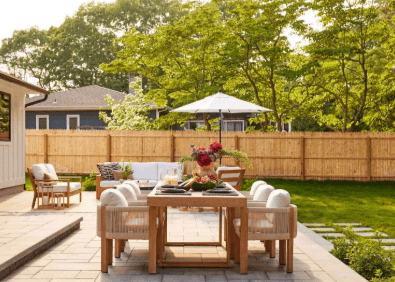
Choosing the right lawn sounds easy enough, but it isn’t as simple as choosing a grass with ‘nice looking’ blades. While region and use do play large roles in selecting a lawn type, so too do the frequency and cost of maintenance. Water restrictions and irrigation limitations can play a role, too. Selecting a lawn based on looks alone could lead to a lawn that needs a ton of water to survive, turns into a constant maintenance headache or turns brown in a matter of months.
Assessing your climate and soil conditions
Step 1: Know the Climate in Your Yard Many of the same products can be used on cool season and warm season grasses. Before selecting the proper product, you must know what type of grass you are dealing with. Cool season grasses perform very well in cool climates and are ideal for areas in the northern states. However, in hot states, these grasses tend to perform poorly during the summer months. Cool season grasses go dormant during hot summer months and turn brown for several months of the year. Warm season grasses perform well in hot climates and thrive during the summer months. They, however, perform poorly during the cool months of fall and spring. As a result, these types of grass also turn brown for several months of the year.
Soil testing will reveal a soil’s pH, its drainage characteristics, and its nutrient content. All of these factors need to be considered when selecting a grass species for lawn establishment. Some grasses thrive in soils with low aeration that are composed of clay, but do poorly in soils with high moisture. Soil with clay has a tendency to sit on the surface, creating an environment ripe for root rot. On the flip side, grass that thrives in sandy soils allows water and nutrients to leach out quickly, putting grass at risk for water and nutrient deficiencies. By selecting the proper grass for your specific soil type, you can avoid losing newly planted grass before it has a chance to fully establish itself.
Sun exposure patterns matter more than most realize.
Almost any type of grass can thrive in full-sun areas of your yard. But, lawns in shade require specific grass varieties that have been bred to perform well in low light conditions. First, you must determine how much sunlight and shade any given area receives at different times of the day.
The amount of water your plants need.
Unlike most grasses, every grass type has unique watering needs. Traditional Kentucky Bluegrass grass types require a lot of water to keep them looking green and lush and may even add to your summer water bill. On the other hand, Drought Tolerant grass types like Bermuda and Zoysia have extremely low watering needs once established, but have a off season look until all the green color returns in the spring.
More local restrictions on water usage are forcing us to think more seriously about the type of grass we have on our lawn. Is your money better spent on a field of dark green sod that must be watered every day, or on a lawn that is more xeriscape-friendly and can be watered on a once a week or bi-weekly basis. View your lawn in a new light. If you have to water it every day or every other day, it’s probably too expensive. Find out the watering requirements for your lawn.
Considering durability and traffic tolerance
With so many areas of our homes and gardens subject to heavy use, some turf species are better suited than others to handle high foot traffic. Whether it’s the back yard, the front yard, around the pool or for that full size sports field and games area for the kids to mow down, high use areas need turf that is hard wearing and durable with good recovery from wear. While Buffalo grass is classed as a medium to heavy traffic species there are some varieties performing better than others. However, some Buffalo grass varieties are better suited to low traffic areas and offer the added benefit of using less water than many other turf species. This is certainly the case in Perth with Buffalo grass and areas of similar climates.
Some grasses are excellent at rapid recovery from injury through aggressive spread, while others need to be reseeded after damage. You will also want to select a lawn based on the amount of wear and tear that the lawn will receive in your backyard from activities such as kids play, pets, and high foot traffic. A lawn that is beautiful but is not able to handle a backyard BBQ being turned into a picnic or barbecue is not a successful lawn.
See also: When does furniture storage make sense for families and renters?
Planning for maintenance requirements
The frequency with which lawns are mown is usually determined by how fast the grass is growing and the owners desired finish. Fast growing grasses need mowing weekly all year round. Slow growing grasses need mowing fortnightly. I’m sure weekly for four months every year is not what you had in mind when you bought your home.
Most varieties of grass require specific fertilization regiments in order to obtain and maintain optimal color and health. Some will do well with minimal feedings and at times neglect is best. Other varieties require constant supplements in order to keep them looking their best. For maintenance intensive grasses, the cost of lawn care services can be quite high and these annual expenses will add up in the long run. Consider what your true annualized cost of maintenance will be for any particular type of grass prior to installing your lawn.
Most lawn choices require consideration of pest and disease resistance to help owners avoid financial losses. Many grass species offer better resistance than others to lawn pests and diseases and a lower need for pesticides.
Making the space family and pet friendly
You won’t find references in lawn grass catalog descriptions to family pets, young children, or messy BBQers. But certain species of turfgrass are better able to handle these special demands than others. Some have very dense soft blades and feel great underfoot for play and outdoor recreation. Others have coarser leaves and may contain culms with sharp edges, or be highly allergenic. For the barefoot runner these considerations are important.
Before you start planning your lawn, you might not know that some grass species are better for pet owners than others. Many people don’t realize that some grasses are able to recover from dog urine better than others. Some will have your lawn looking great in no time while others can leave behind nasty, persistent brown patches. And let’s face it, most dogs have favourite areas of the yard where they tend to do their business. So for those with pets, choosing the right grass species is key and developing a lawn enhancement strategy that takes your patterns of pet use into account.
Budgeting for installation and long-term costs
The initial start up cost to install a lawn is the seed or sod cost plus the site prep and the cost of a contractor to install it for you. Sod can give you an instant lawn which is a goal for many people. Even though the up front cost is three to five times greater than seeding depending on the grass and area you live in, it is often worth the initial investment. The cost to modify your irrigation system and amendments to the soil to better prepare your site for lawn installation can also need to be considered.
The annual cost of a lawn includes the initial cost of the type of grass that you choose to plant as well as the ultimate lawn aesthetics that you strive to obtain. In addition, each year a lawn requires water, fertilization and pest control. Some years some of these applications may be skipped in favor of others. In addition, you will likely hire a lawn care professional to mow, fertilize/weed control and edge your lawn on an annual basis for as long as you have a lawn.
Each grass species has its own replacement cycle or average longevity and ‘cost of ownership’. Some may retain suitable quality for sports use for up to 30 years, provided appropriate care and maintenance are implemented, while other species may require renovation every five to 10 years. It is important not to be mislead by initial purchase price, and to consider the ‘true cost of ownership’ over a longer time frame, whether this be 10 or 20 years. For example, a seemingly cheap grass option may end up costing more in the long term than a higher-quality species that needs to be renewed less frequently, and provides greater durability.