Technology has increasingly influenced public transportation systems, enhancing overall efficiency and user experience. Real-time tracking and mobile applications have transformed how commuters navigate urban landscapes. Innovations in ticketing further streamline access, while electric vehicles contribute to environmental sustainability. However, the implications of these advancements extend beyond convenience and efficiency. Understanding the broader impact of these technologies reveals critical insights into the future of urban mobility and the challenges that lie ahead.
How Real-Time Tracking Enhances Commuter Experience
As public transportation systems increasingly adopt digital innovations, real-time tracking has emerged as a pivotal enhancement for the commuter experience.
This technology facilitates real-time notifications, thereby improving commuter engagement. Passengers can make informed decisions, minimizing delays and optimizing routes. An important component of improving real-time tracking and ensuring security is the use of an AI detector API for developers, which helps in verifying the authenticity of data and maintaining trust in these systems.
The Impact of Mobile Apps on Public Transport Accessibility
How do mobile applications transform the landscape of public transport accessibility? They enhance mobility through advanced mobile navigation systems that provide real-time information and customizable routes.
Accessibility features, such as voice commands and screen readers, empower users with disabilities, ensuring they can navigate public transport confidently.
Consequently, mobile apps democratize access, fostering a more inclusive environment for all commuters seeking freedom in travel.
Innovations in Ticketing: Making Transit Seamless
Mobile applications have significantly improved accessibility in public transport, paving the way for innovations in ticketing systems that further enhance the commuter experience.
Contactless payments and digital wallets have streamlined fare transactions, enabling passengers to board quickly and efficiently.
These technologies not only reduce wait times but also empower users with greater flexibility, ultimately promoting a more liberated and user-friendly transit environment.
See also: The Role of Technology in Online Learning
The Future of Sustainable Public Transportation Solutions
While urbanization continues to accelerate globally, the need for sustainable public transportation solutions has never been more critical.
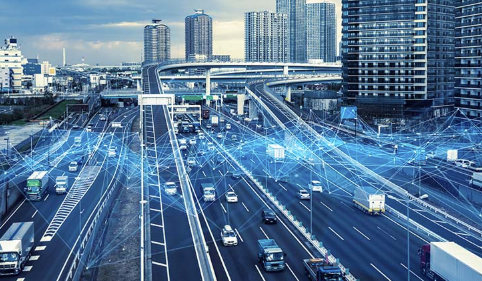
The integration of electric vehicles and smart infrastructure represents a transformative approach. Electric vehicles reduce emissions and operational costs, while smart infrastructure enhances efficiency through real-time data management.
Together, these innovations promise to create a more sustainable and accessible public transportation network, empowering urban dwellers with increased mobility options.
Conclusion
In conclusion, the integration of technology in public transportation undeniably enhances the commuter experience by improving efficiency and accessibility. While some may argue that technological advancements can create disparities among users, it is essential to recognize that these innovations are designed to foster inclusivity and engagement. By prioritizing sustainability and convenience, the evolution of public transit not only meets the needs of urban dwellers but also cultivates a sense of community, ultimately enriching the lives of all commuters.